We are three students from Sweden that have had the great opportunity to go to Finland to learn more about Finnish food culture, look at their approach on sustainable food and food of the future!
In this segment we would like to introduce ourselves, our school and the project that made this trip possible. Our names are Eric, Kacper and Max. We are studying food and meal science at Högskolan Kristianstad (HKR) which is located in Kristianstad, Skåne. We reached our third year of our bachelor and are currently focusing on deepening our knowledge in several topics such as microbiology, chemistry, food culture and sustainability.
And so, introductions are done which brings us to why we made this trip. Sustainability and sustainable food are topics that are of great importance to the world of tomorrow. Food is a resource that should be governed and cared for which often is not the norm in the food industry. Food is being thrown away in masses by supermarkets, producers and consumers. Some foods that do not look perfect is being thrown away because no one wants them and that is a problem. Another problem for the future is where we get our food from, we as humans need to look at new sources to which we get our food from.
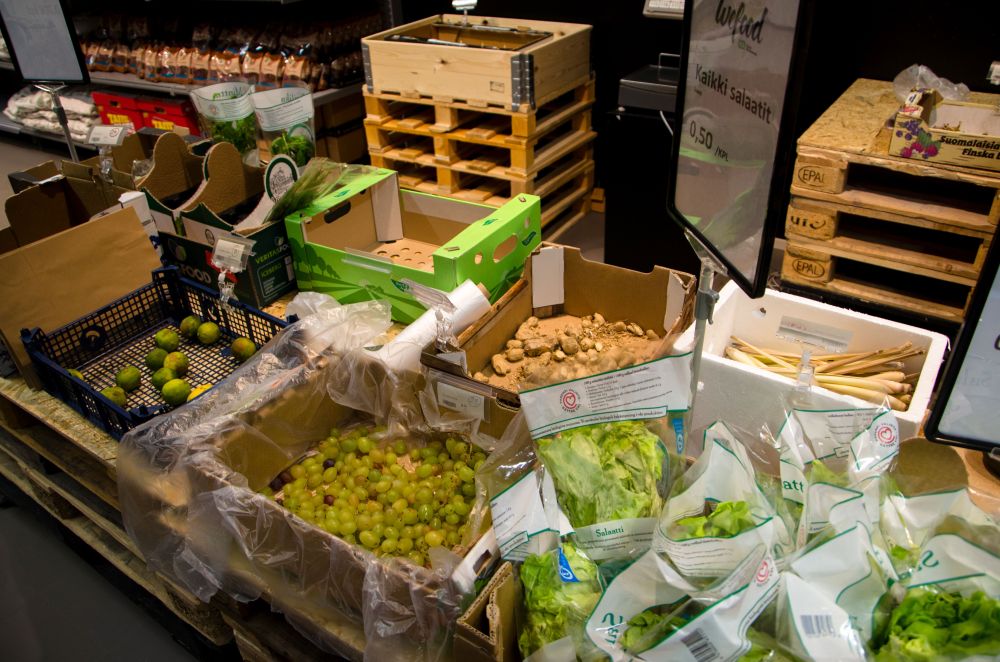
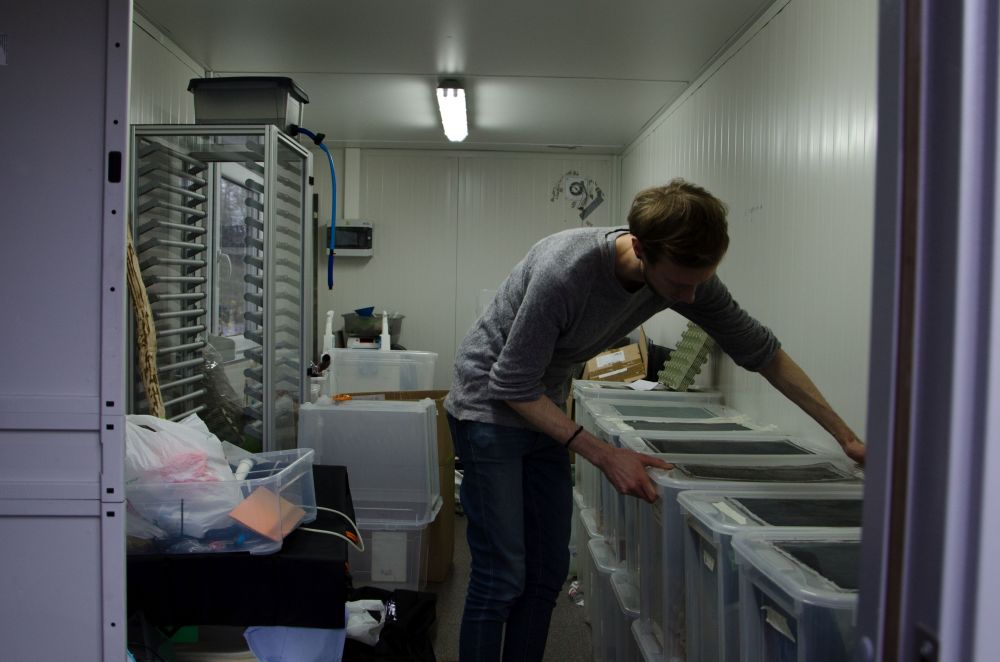
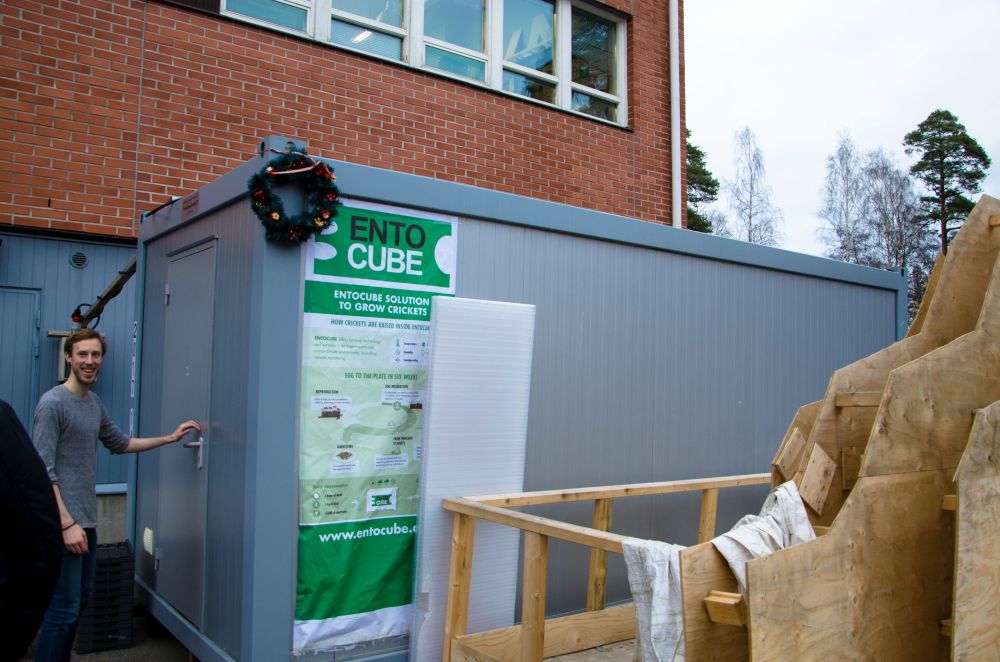
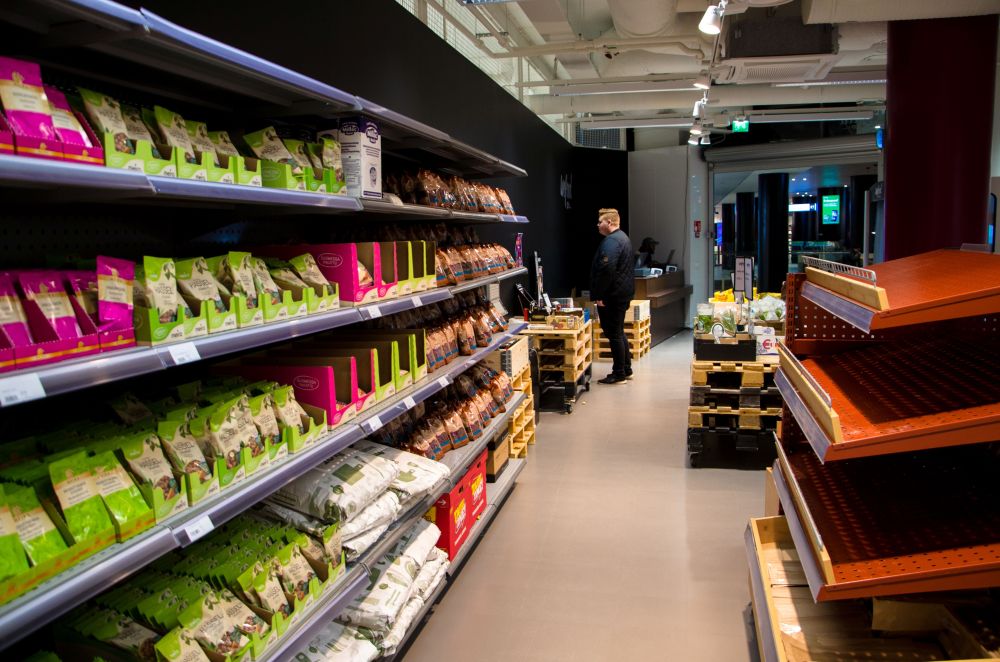
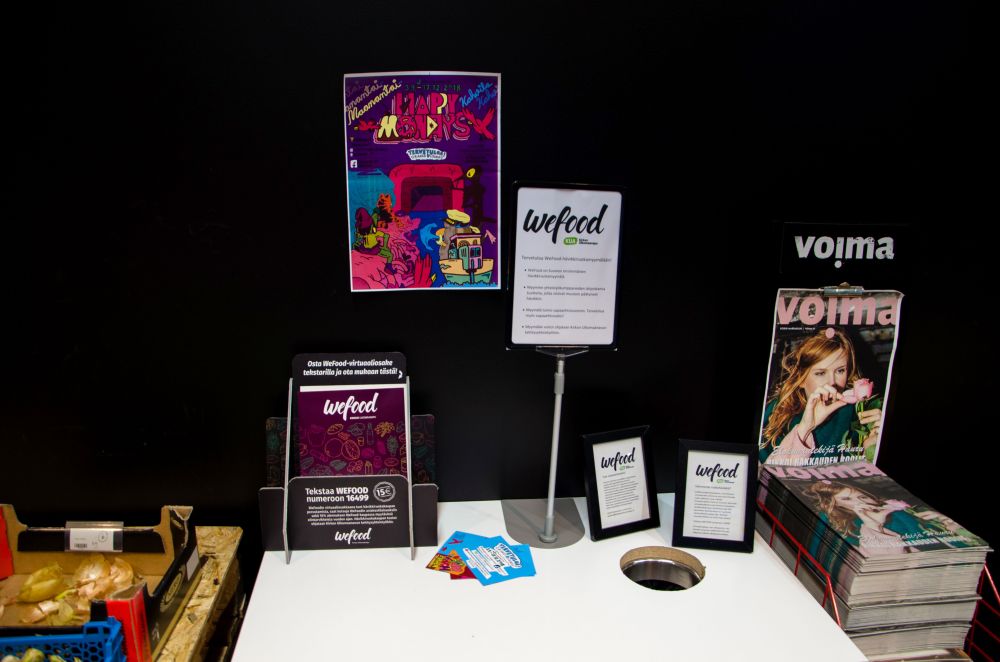
On this trip to Finland we went to two separate companies that specialize in these two topics. Entocube was the first one. Entocube is the leading company in the Nordics for insect farming technologies and edible insect food products. They are focusing on mass production of insect in already existing farm building, and internationalization. This part of the post focuses on food of the future and where to get it, maybe insects are the protein-source of the future world. The second company we visited was WeFood. WeFood sells goods that regular supermarkets are not allowed to sell due to the best before dates have expired or if the packaging is damaged. All the products that are found in WeFood are safe to consume and still edible according to the Danish food legislation. The products that are sold in WeFood stores are mostly food products and are sold at a discount of 30-50% of the market price.
As we visited the two separate companies we took the opportunity to ask them some questions regarding sustainability and future food sources. With the help of our questions we learned that one of the many benefits of producing and consuming insects are that it might help solve the D-vitamin shortage. The produced insect has been exposed to UV-light which leads to the fact that they might produce and contain D-vitamin according to Jonas at EntoCube. We also learned about the importance of the right type of food that the insects get fed. By creating a mix containing just the right nutrition for the insects they become more nutritious, tasty and sustainable. This is something Entocube has been working on for some time and have now finally created a great feed for the insects. We also learned that a big obstacle for insect farming is the massive energy that is needed to create a warm environment for the insects. At EntoCube they harvest a lot of their energy through solar panels but at this moment it doesn’t cover their energy needs. Unfortunately WeFood didn’t cooperate with us a great deal and referred us to the website. With that said we think that it is a good initiative and a great innovative concept.
Last but not least we would like to thank Nordplus, JAMK, HKR and EntoCube for making this superb trip possible.
Text and photos: Erik Öhman, Kacper Milczarek, Max Andersson (Högskolan Kristianstad, Sweden)
 Sustainable Nordic Food
Very interesting!
LikeLike