We headed for Iceland to learn about sustainability of Icelandic food production. During our trip we met Dóra Svavarsdóttir from Slow Food and Solheimar Eco-Village, Haflidi Halldórsson from Icelandic Lamb, representative of Matis, and Eyjólfur Fridgeirsson, the founder of Islensk Hollusta. We also saw quite a few incredible landscapes, ate various Icelandic delicacies and even had a lovely Icelandic dinner at our hosts home in Hella.
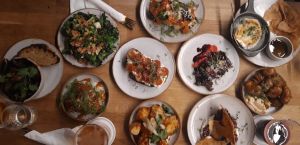
The prices in Iceland are high compared to Finland, and food is also quite expensive. We believe that high costs with limited availability of goods affect the challenges and choices of sustainability. Processed food and imported goods are well represented in food stores for the lack of local production. Mutton is local and inexpensive. Fish is also mostly local, but the prices are high. Local vegetables are mainly limited to cucumber, tomato, paprika and potato. The only crop growing is barley. Dairy products also, especially Skyr, are locally produced. The rest of ingredients are mainly imported.
We also visited a local dairy farmer who produces Skyr on the premises. They have come up with innovative ways to use everything of their dairy production avoiding waste. For example, when skimmed milk is used for Skyr, the leftover serum is used for various drinks as well as a preservative. First milk is a product itself but also excellent for ice cream due to high fat content. They also produced cheeses, chocolate and Skyr ice cream.
According to Haflidi Halldórsson, representative of Icelandic Lamb, mutton is by far the most used ingredient in Icelandic cuisine, and they are very proud of it. Sheep are fed with clean natural feed and they are well kept. Sheep roam freely in the highlands and mountains all summer feeding on wild herbs and grass, in the fall they are gathered and separated to the owners. The gathering is a big annual event for the locals and has become a major tourist attraction as well. Every single lamb in Iceland is registered to a databank to make tracking easy. As well as being sustainable, Icelandic lamb is very tasty and can be found on menu in almost every restaurant. The price of mutton in Iceland has stayed content for a long time according to Halldórsson, but Icelandic Lamb is working towards rising the price to sustain the production better by making it more profitable for the producers.
Vegetables are mostly grown in greenhouses due to challenging climate and soil. Organic farming in Nordic countries originate from Icelandic Eco-Village according to Dóra Svavarsdóttir, the representative of Slow Food and the Eco-Village. They produce tomato, cucumber and paprika in their greenhouses without artificial lightning. These are the only vegetables with government support, which is the main reason to lack of other vegetables being produced. Even the Eco-Village needs to import ingredients due to challenging climate and growing conditions.
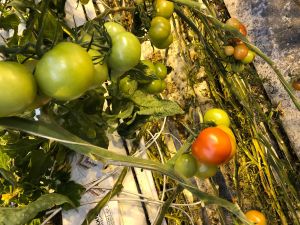
We also visited another greenhouse which had a restaurant on the premises. They served various dishes and products made of tomatoes, including tomato soup, tomato beers and even tomato ice cream as an example. We were taken by the various innovative ways to use tomato, which is by far the most commonly grown and used vegetable in Iceland.
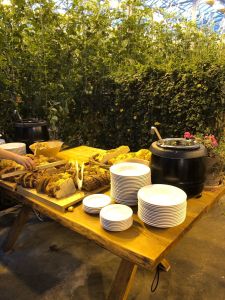
Icelanders also know how to make use of hot springs in cooking, and use plenty of natural products such as wild herbs, berries and seaweed. We had the pleasure of visiting Islensk Hollusta and tasting their amazing dried, pickled, jammed and fermented natural wild products with their delicious berry juices, beers and liquers. Lacking firewood, Icelanders traditionally cook their food by either placing food in hot springs in containers or digging a hole next to a hot spring and placing the food there to cook. Hot springs provide most of the heating and electricity in Iceland. They are also used for bathing as natural spas`.
Completely local supply of food is challenging and limited from the sustainable point of view. Many products are imported from the closest countries, and the prices are kept high to support the producers. They also work constantly to advance sustainability and environmental wellbeing. We had good conversations with our hosts during the dinner about sustainability being a major issue and concern in Iceland, and how they had recently started recycling carefully as well.
Our conversations with locals and our experiences in Iceland have led us to believe that Icelanders try to make as sustainable choices as possible and sustain and increase self-sufficiency with various actions. More insight about our conversations can be found in another blog by Jouni and Taru.
Text and photos by Sustainable Gastronomy Students Maiju Kettunen, , Juuso Montonen and Risto Valkama from JAMK University of Applied Sciences
 Sustainable Nordic Food